Outside summer, Rio is still a warm city, but the pace changes: less heat, less rain in the depths of winter and a calendar without Réveillon or Carnival. For many travelers it's the best time to walk, head up to the lookouts and visit museums. This guide tells you what the climate data says and how to make the most of those months.
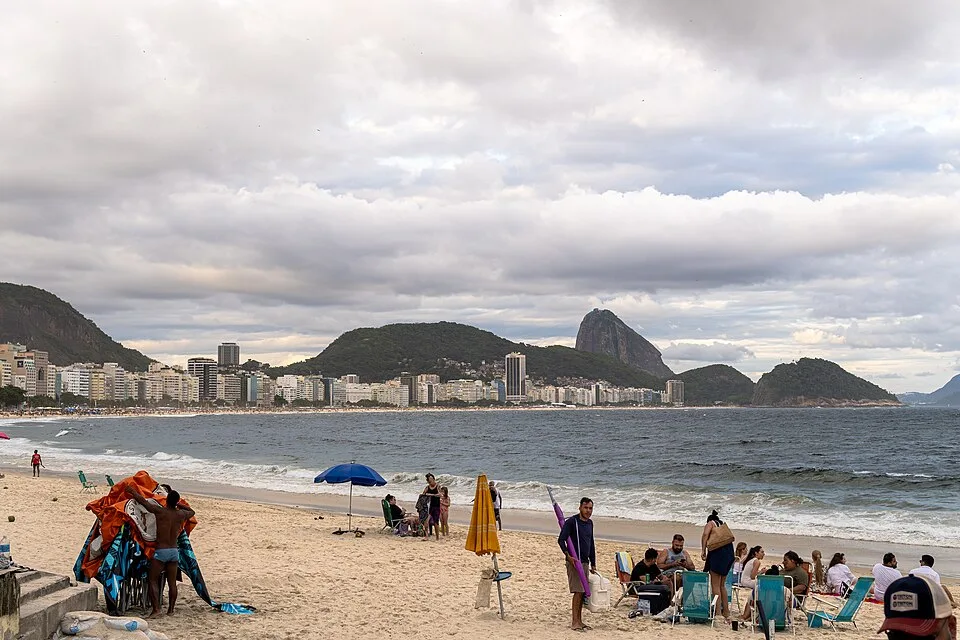
At a glance
- Rain: according to Alerta Rio, run by City Hall, from November to April it rains more than 100 mm a month on average; the driest month is August, averaging 56.3 mm.
- Temperatures: July has the lowest minimums (an average low of 15.2 °C), and average highs in June and July stay below 29 °C.
- Transition: May and September are in-between months.
- Good for: trails, lookouts, museums and long walks.
- Less ideal for: if your priority is warm sea water and the summer buzz.
What the climate data says
The Alerta Rio climate report ↗, from Rio City Hall, analyzes rainfall between 1997 and 2024 and temperature between 2014 and 2024 using stations across the city. The most useful points for planning:
- Rainy season: November to April. January is the wettest month, averaging 169.2 mm, followed by December and March.
- Dry season: August is the driest month (56.3 mm on average), followed by July and June.
- Heat: January has the highest average highs (35.1 °C).
- Cooler weather: in June and July average highs stay below 29 °C, and in July the average low drops to 15.2 °C. Absolute lows below 10 °C were recorded in June and July.
These are averages to guide you, not a forecast. Even in winter there can be rainy or hot days; check the forecast close to your dates.
Month by month, broadly
- March and April: still hot and fairly rainy, but Carnival and the summer holidays are over.
- May: a transition month, with less rain than summer.
- June, July and August: the coolest and driest months. Ideal for hikes and lookouts; for the beach, pick the sunny days.
- September: another transition month.
- October and November: the heat returns. According to Alerta Rio, absolute highs above 43 °C were recorded in those months, and the rainy season starts in November.
What to enjoy outside summer
- Trails and lookouts: more enjoyable with less heat. See hiking in Tijuca National Park and Vista Chinesa and the lookouts.
- Clear views: Christ the Redeemer and Sugarloaf Mountain depend on the clouds. Pick the day based on the forecast: Christ the Redeemer and Sugarloaf Mountain.
- Long walks: the historic Centro, the Lagoa or the waterfront. Ideas in the Lagoa on foot or by bike.
- Day trips: Petrópolis, in the mountains, is cooler still; bring a jacket. See day trips from Rio.
What to check before booking
- Your country's school holidays: winter holidays in Argentina and other countries in the region can change demand for flights and accommodation. Compare dates.
- Sea temperature: the water feels colder in winter. If the beach is central to your trip, consider the transition months.
- Water quality: it's published every week; see how to read INEA's bulletin.
- Packing: bring a light jacket for the evenings and the mountains. Full list in what to pack for Rio.
Frequently asked questions
Is it cold in Rio in winter?
Not like in the south of the continent, but nights can be cool. In July the city's average low is 15.2 °C, according to Alerta Rio.
Can I go to the beach in July?
Yes, on sunny days. The water feels colder and the atmosphere is calmer than in summer.
What's the best time to travel?
It depends on what you're after. Compare in the guide to the best time to visit Rio and, if you're torn between the summer months, in Rio in January or February 2027.
Sources: Alerta Rio: annual climate report ↗, accessed October 27, 2026.