Favela visits are among the most searched-for tours in Rio. Our recommendation is simple: if you want to get to know a community, hire a local guide. Favelas are home to people who are not there to be an attraction, and a guide from the community is the best way to visit respectfully and with up-to-date information on how things stand that day.
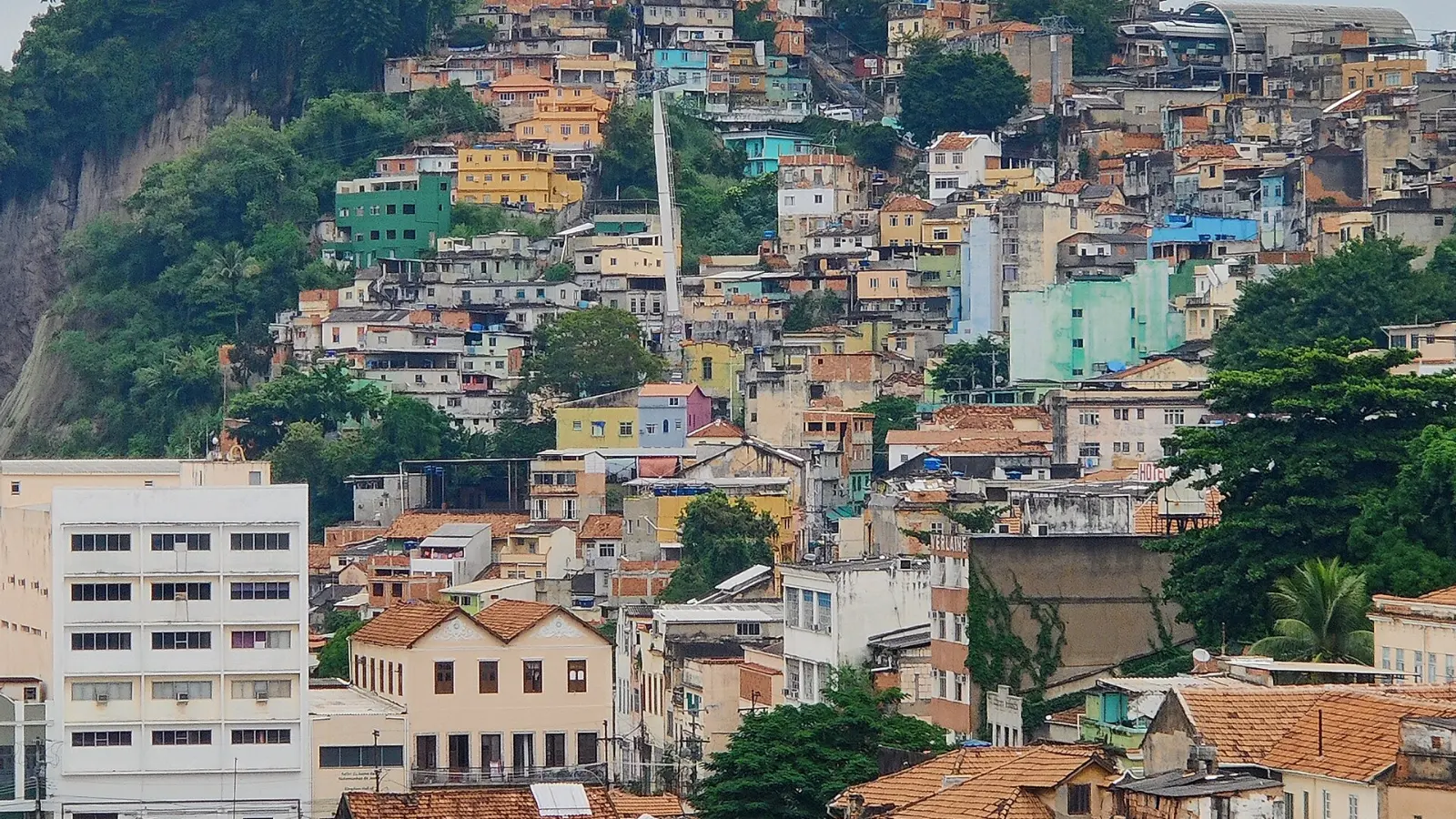
Our recommendation: hire a local guide
To visit a favela, we recommend always going with a local guide: someone who lives in the community or works for a project run by it. This is known as community-based tourism. The guide knows the place, knows where it is OK to walk that day, and makes sure the money from the visit stays in the community.
How to choose and how to behave:
- A guide from the community: choose guides who live there or community projects over vehicle tours that just drive through to look.
- Never on your own: don't go in alone or follow directions from strangers.
- Photos with permission: ask before photographing people or homes, and follow your guide's instructions on where not to take pictures.
- Confirm the same day: ask your guide whether the visit is still on; if they call it off, it means they take safety seriously.
Before you book
The situation changes from one day to the next and from one community to another. Some foreign ministries, such as those of Spain ↗ and the United States ↗, advise against these visits, and the Argentine Consulate in Rio ↗ urges extreme caution. Read those recommendations and our Rio safety guide before deciding.
Museu de Favela, in Cantagalo and Pavão-Pavãozinho
The Museu de Favela ↗ is a community organization founded in 2008 by cultural leaders from Pavão, Pavãozinho, and Cantagalo, between Ipanema and Copacabana. Its main route, the Circuito das Casas-Tela, tells the story of the place through murals on the house fronts.
Visits run every day, by advance booking. According to the national museum registry ↗, a guided visit in Spanish costs R$ 360 per person; confirm the price when you book by email (querovisitar@museudefavela.org) or by phone at (21) 99648-9350. A practical note: in September 2026 a municipal inspection found the panoramic elevators on Rua Barão da Torre out of service ↗; they connect the General Osório area with the community, so ask about access when you book.
Santa Marta
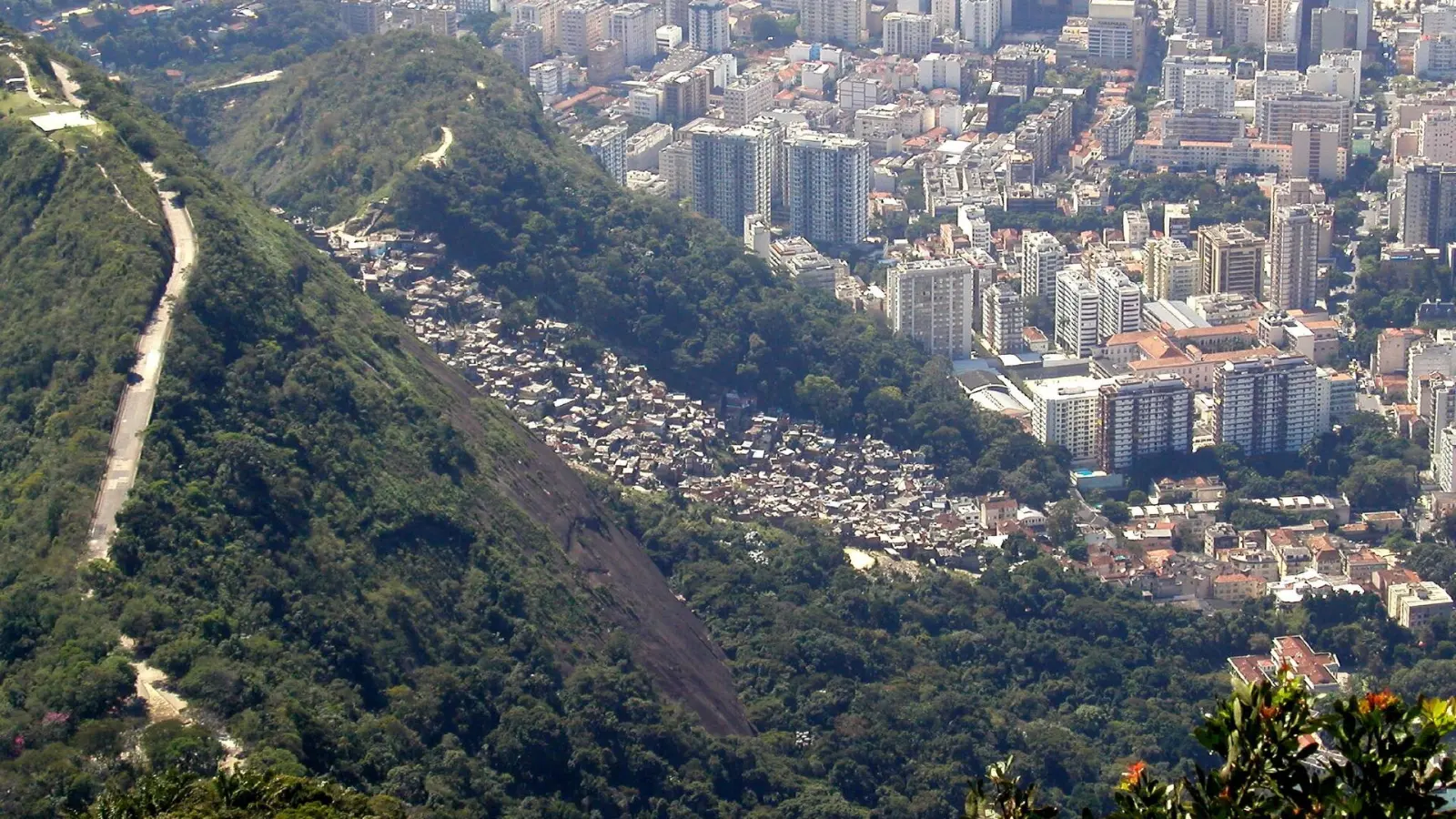
In Botafogo, Santa Marta was in 2010 the site of the first public community-based tourism program in a favela, with a committee of local guides, according to an academic study published in the Revista Brasileira de Pesquisa em Turismo ↗. The community has a five-station funicular (plano inclinado) that the Prefeitura renovated in 2023 ↗ and that runs from 6 a.m. to midnight. If you go, go with a guide from the local committee.
Morro da Providência
According to a historical document from the Secretaria Municipal de Habitação ↗, Providência is Rio's oldest favela. Around 1897, soldiers returning from the Canudos War settled there, and the place came to be called "Morro da Favela," after a thorny plant from that region: that is where the word comes from. You can see it from the Mirante do Valongo, on the port area route we suggest in Rio, UNESCO World Heritage.
Rocinha, Vidigal, and Morro Dois Irmãos
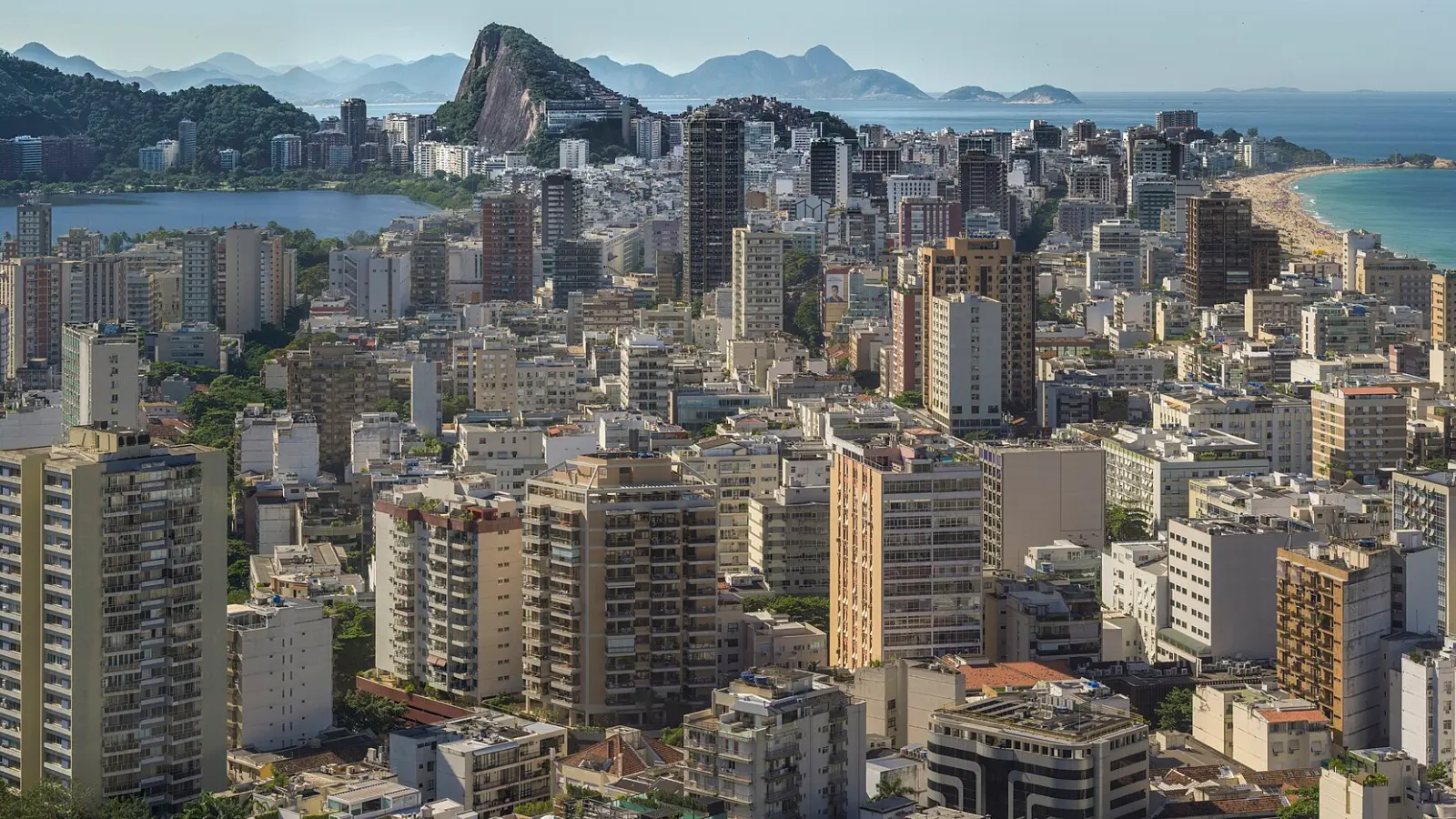
These are the communities most often offered by commercial tours. The trail up Morro Dois Irmãos, one of the peaks included in the Carioca landscape inscribed as World Heritage ↗, starts in Vidigal. We found no official information on hours, rules, or safety for that trail, so we don't recommend it without a trusted local guide. If you are after a similar view with official information, Pedra Bonita is inside the Parque Nacional da Tijuca.
Frequently asked questions
Is it safe to visit a favela in Rio?
The situation varies by community and by day. That is why we recommend always going with a local guide, confirming the visit the same day, and reading your foreign ministry's recommendations beforehand.
Do I need to go with a guide?
Yes, we always recommend it. Don't go in on your own.
What is community-based tourism?
Visits organized by residents of the community, who define the route and receive the income.
Can I visit the Museu de Favela without booking?
No. Visits are by appointment only.
Sources: foreign ministries of Spain ↗, the United States ↗, and Argentina ↗, Brazilian Institute of Museums ↗, and Prefeitura do Rio ↗, consulted on September 28, 2026.