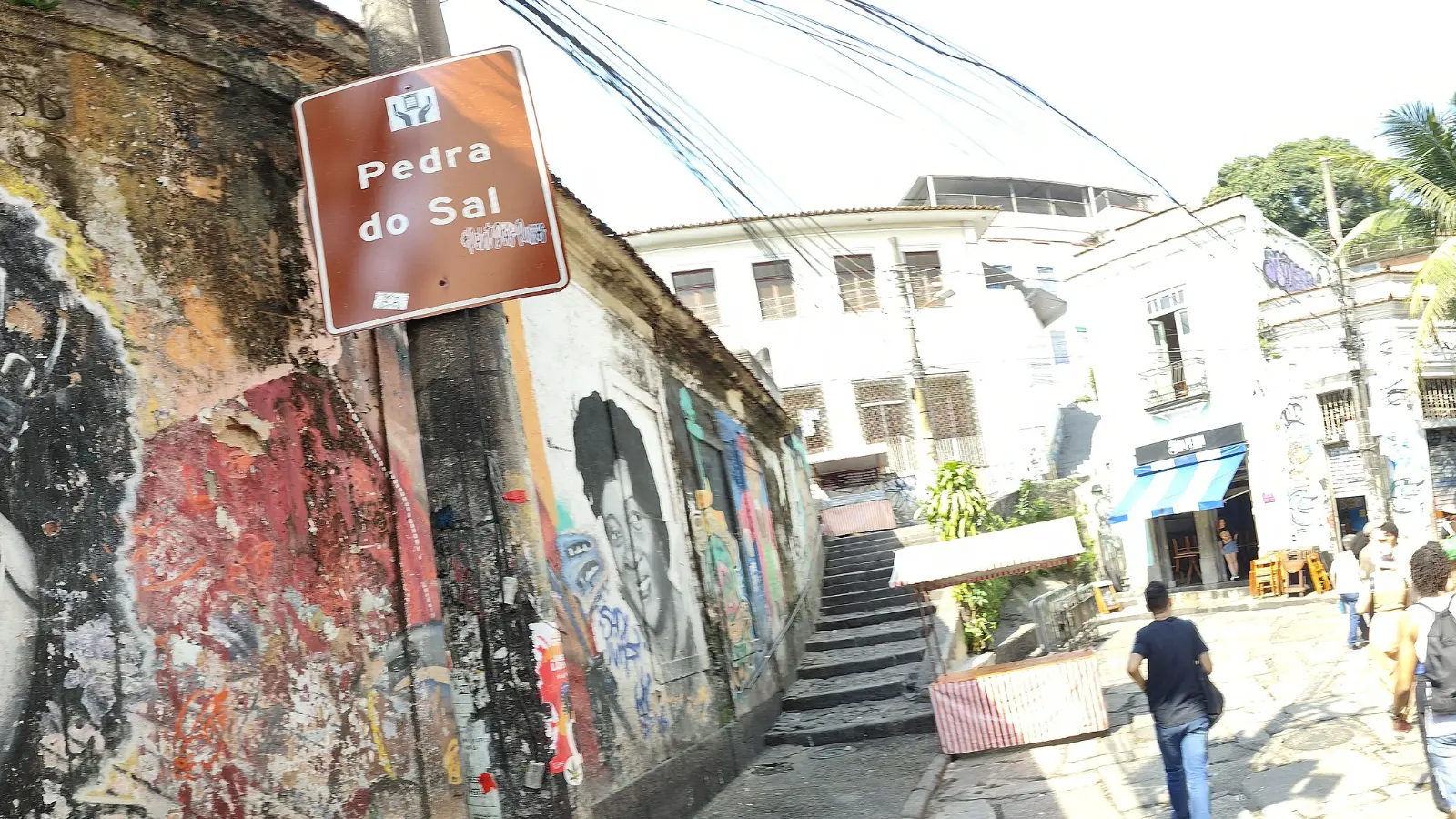
A roda de samba is a gathering of musicians around a table, with the audience singing along around them. It isn't a stage show: it's music in the street, at a club, or in the quadra (rehearsal hall) of a samba school. Rio has so many that the Prefeitura publishes an official map ↗ with 150 rodas in public spaces. We've been to Pedra do Sal and to the rodas in Lapa, and if it's your first time, we'd start with Pedra do Sal on a Monday.
Part of Rio's heritage
In 2007, IPHAN registered the roots of samba in Rio de Janeiro ↗ (partido-alto, samba de terreiro, and samba-enredo) as Brazilian cultural heritage. Going to a roda is a way to get close to that tradition as it's lived today.
Monday: the best day for samba
Monday is many musicians' day off, which is why two of Rio's most traditional rodas happen that day. You can combine them: one in the afternoon and one at night.
Pedra do Sal
On Morro da Conceição, between Saúde and Gamboa, Pedra do Sal is one of the places of Rio's Little Africa and has been protected by INEPAC since 1984 (Agência Brasil ↗). The Monday roda starts at 7 p.m. on Rua Argemiro Bulcão, outdoors and free. The city's events portal also lists activity Friday through Monday from 6 p.m. ↗, but Monday is the fixed date. It was the one we enjoyed most: get there early, because the square fills up. It's close to the historic Centro route in Rio, UNESCO World Heritage.
Samba do Trabalhador
Moacyr Luz's roda takes place every Monday from 4:30 p.m. ↗ at the Renascença Clube (Rua Barão de São Francisco 54, Andaraí). Admission is paid, but children up to 11 and anyone celebrating their birthday that day get in free, and the venue is covered, so it goes ahead in the rain. Check the price for each date when tickets go on sale. It's a good option if you want afternoon samba and an early night.
Sunday: Cacique de Ramos
The bloco, founded in 1961, holds its roda every Sunday at 5 p.m. ↗ at its quadra on Rua Uranos 1326, in Olaria, with free admission. The Prefeitura's map adds another roda on the second Wednesday of each month at 5 p.m., at the same place. It's in the North Zone: plan your round trip before you leave.
Lapa, Wednesday to Sunday
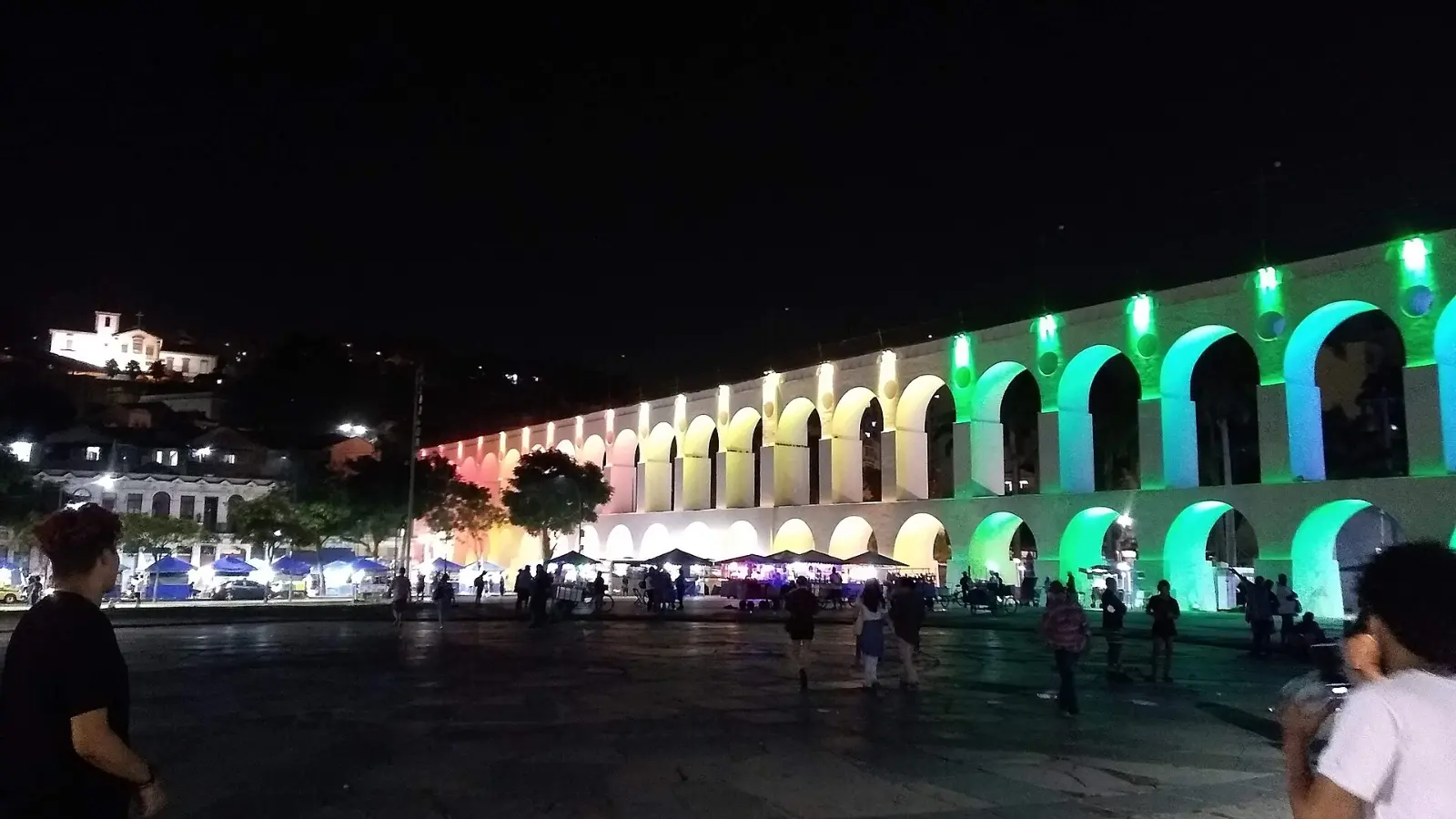
Lapa is the heart of Rio's nightlife, and the Arcos (protected by IPHAN since 1938) finished their restoration in July 2026 ↗. The Prefeitura's map lists rodas on Rua Joaquim Silva (some Wednesdays and Fridays at 7 p.m.) and on Rua André Cavalcanti (Sundays at 2 p.m.). We went too: it's more of a night of bars and moving from place to place than Pedra do Sal is. To find your way around, see our Lapa guide.
The samba school quadras
Outside Carnival, the schools open their quadras for rehearsals, feijoadas, and parties. Mangueira's quadra, the Palácio do Samba, is at Rua Visconde de Niterói 1072 ↗, and it sells its rehearsal shows through Sympla. Portela holds a monthly feijoada ↗ at its quadra in Madureira. Dates and prices change every season: follow the school's social media. If you're going to Rio for Carnival, pair this with our Carnival 2027 guide.
Planning your night
- Pick just one roda per night and decide in advance how you'll get back.
- Carry a small amount of cash and keep your phone put away when you're not using it.
- Order a ride-hailing car from a busy spot instead of walking long distances late at night.
- Respect the musicians' space: the table is theirs.
You'll find more recommendations in Rio safety and getting around Rio.
Frequently asked questions
Are rodas de samba free?
Pedra do Sal, Cacique de Ramos, and the street rodas, yes. Clubs like Renascença and the school quadras charge admission.
Do I need to know how to dance?
No. At a roda, much of the audience sings and listens around the table.